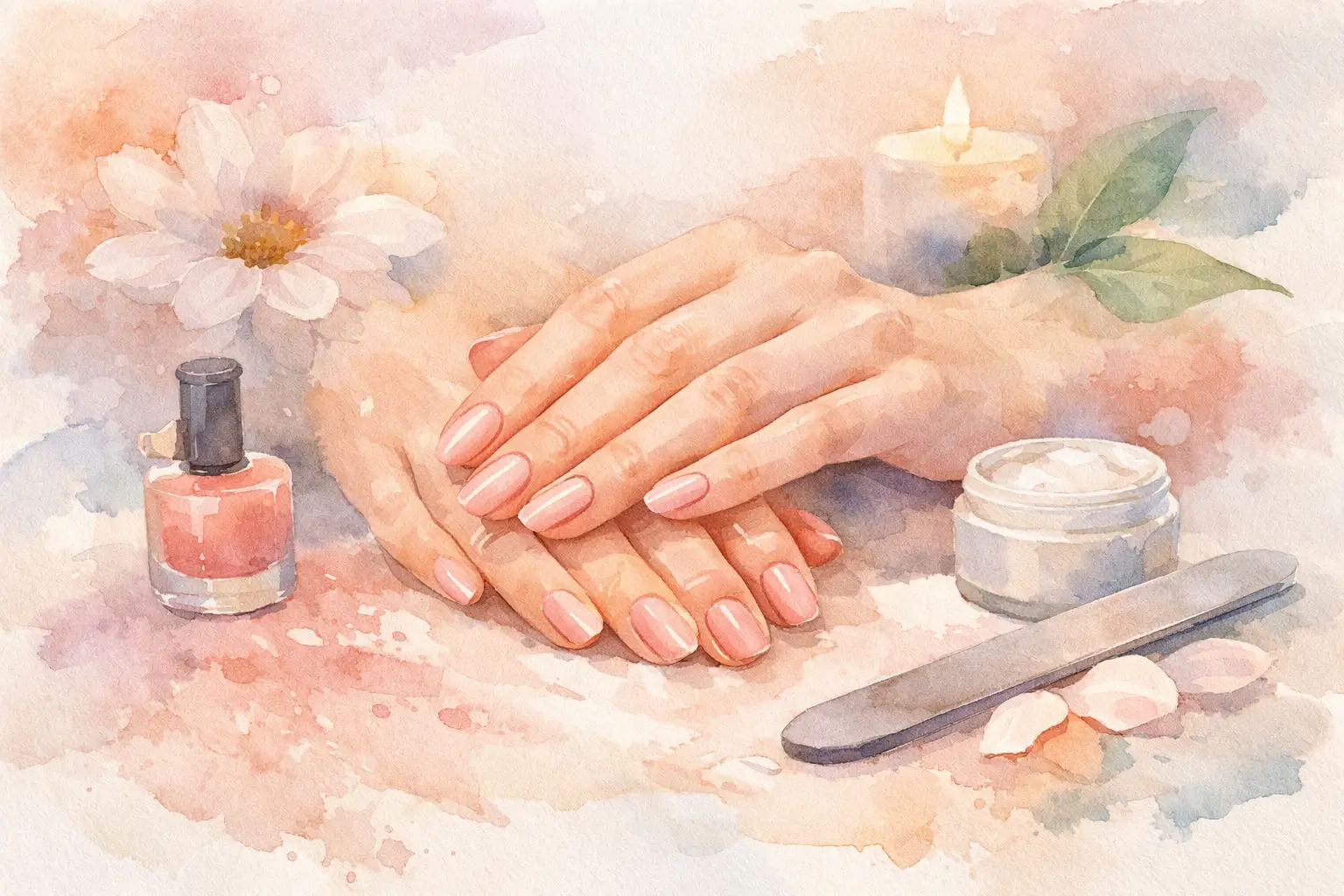
A manicure rarely fails all at once. It starts with a tiny lift at the edge, a dull patch where the shine used to be, or a chip that appears the first time you reach into your bag for keys. If you have ever wondered how to make manicure last beyond the usual few days, the answer is not one trick. It is the combination of precise prep, the right service, and thoughtful aftercare.
Long wear begins well before the polish touches the nail. It also depends on what your hands go through afterward. Frequent handwashing, cleaning products, swimming, typing, hot showers, and even the natural oil on your nail plate can shorten the life of a manicure. The good news is that longevity is very achievable when each step is handled with expert care.
How to make manicure last starts with nail prep
The most beautiful polish in the world will not hold well on a poorly prepared nail. Prep is where lasting results are made or lost. The nail plate needs to be thoroughly cleansed, shaped correctly, and free from residue before any base coat is applied.
Cuticle work matters more than many clients realize. When excess cuticle remains on the nail plate, polish can sit on skin instead of the nail itself, which encourages lifting. Gentle, meticulous cuticle care creates a clean perimeter so the product can adhere exactly where it should. Overly aggressive prep, however, can weaken the nail and leave it more vulnerable, so this step should always be refined rather than harsh.
Shape also plays a role. Very long nails or dramatic corners are naturally more exposed to impact. If your lifestyle involves constant typing, gym sessions, childcare, or frequent travel, a softly rounded or squoval shape tends to last better than a sharp square edge. It is not about sacrificing style. It is about choosing a shape that works with your routine.
The manicure type you choose affects wear time
Not every manicure is designed for the same level of durability. Traditional polish can look elegant and fresh, but it typically offers the shortest wear window. Gel polish delivers a more resilient finish with stronger chip resistance and longer shine retention. Structured gel or builder-based manicures offer even more support, especially for clients whose natural nails bend easily.
If your nails are naturally thin, peeling, or flexible, regular polish may struggle to stay pristine. In that case, the problem is not your aftercare. The service itself may not match your nail type. A more durable system can protect the nail better and preserve the look for longer.
That said, longer-lasting options are not always the right choice for every client. If you prefer frequent color changes or want the lightest possible feel, classic polish may still suit you beautifully. The best result comes from pairing your aesthetic preference with the level of durability your schedule demands.
Product quality makes a visible difference
Luxury results are rarely accidental. Premium base coats, color formulas, and top coats are designed for smoother application, stronger adhesion, and better resistance to fading and chipping. Inferior products often become thick, streaky, or brittle, which shortens wear time even when the manicure is applied well.
Layering matters too. Coats that are too thick can wrinkle, lift, or cure unevenly. Coats that are too thin may leave weak spots. A polished, long-lasting finish depends on balanced application and proper curing or drying time between steps.
This is one of the clearest differences between rushed nail services and expert-led care. Precision takes longer, but the payoff is visible for days beyond the average manicure.
Why your manicure chips early
When clients ask how to make manicure last, they often assume the issue is one single mistake. Usually, it is a pattern. Nails exposed to water for long periods tend to expand and contract, which can stress the polish. Using your nails to open cans, peel labels, or tap on hard surfaces creates impact at the tip. Applying hand cream without cuticle oil can leave the skin soft but the nail plate dehydrated.
Even timing can matter. A manicure done right before a long swim, a steam room session, or an evening of heavy cleaning is more likely to show wear sooner. Fresh polish needs a little protection at the start, even when it has been professionally finished.
There is also simple body chemistry. Some clients naturally have oilier nail beds, while others experience peeling or dryness from weather, medication, or frequent sanitizing. If your manicure never seems to last as long as someone else’s, it does not necessarily mean something was done incorrectly. It may mean your nails need a more tailored approach.
How to make manicure last with better aftercare
Aftercare is where elegant nails keep their edge. The easiest improvement is daily cuticle oil. It keeps the nail and surrounding skin conditioned, which helps prevent brittleness and supports flexibility. Flexible nails are less likely to crack under pressure than overly dry ones.
Gloves are another quiet luxury that make a real difference. Wearing them while washing dishes or cleaning protects against prolonged water exposure and harsh chemicals. It is a small habit with a noticeable payoff.
Be mindful with heat as well. Very hot baths, steam, and repeated exposure to high temperatures can reduce shine and affect durability. If your manicure is fresh, a little restraint in the first 24 hours helps preserve the finish.
And while hand cream is excellent for the skin, avoid heavy oils directly on freshly polished nails unless your technician recommends them. For classic polish especially, early contact with rich products can interfere with full setting.
Small habits that protect a flawless finish
The clients who get the most from a manicure usually treat their nails as jewelry, not tools. That means using the pads of the fingers instead of the tips of the nails whenever possible. Press elevator buttons, unbuckle seat belts, and open drawers with care.
If you wear longer nails, adjust a few movements. Reaching into handbags, making beds, or fastening necklaces can create repeated stress at the free edge. These are tiny motions, but over several days they add up.
Regular maintenance helps too. If one corner begins to catch, do not peel it. A small snag can quickly become a large chip if it is pulled. A gentle file can prevent further damage until your next appointment.
Professional timing matters more than most people think
Many clients wait until a manicure is fully worn out before rebooking. That approach often leads to more breakage, more peeling, and a less polished overall look. Staying on a consistent schedule protects both the manicure and the natural nail underneath.
For classic polish, touch-ups may be needed sooner. For gel or structured manicures, rebooking before major lifting appears is the more refined approach. It keeps the nails looking immaculate and helps your technician maintain their strength and shape over time.
In a premium salon setting, this is where personalization matters. A client who travels frequently, spends time in pools, or works with their hands will need a different maintenance rhythm than someone with a lower-impact routine. Expert care is never one-size-fits-all.
When salon technique is the missing piece
If you are doing everything right at home and your manicure still chips early, the issue may be the service itself. Incomplete prep, poor product matching, flooded cuticles, or rushed curing can all affect wear. So can hygiene shortcuts that compromise the integrity of the application.
A high-standard manicure should feel meticulous from start to finish. Nails should be assessed individually, not treated identically. Products should be chosen for your nail condition and desired result. And the final finish should look as refined on day seven as it did on day one.
At a luxury salon such as Rodeo Drive Beauty, that level of detail is part of the service, not an extra. Clients are not simply paying for polish. They are investing in craftsmanship, hygiene, and the kind of finish that remains polished through real life.
A lasting manicure is never just about luck. It is the result of smart choices, expert application, and a few protective habits that fit naturally into your routine. Once those pieces are in place, beautiful nails stop feeling temporary and start feeling reliably effortless.