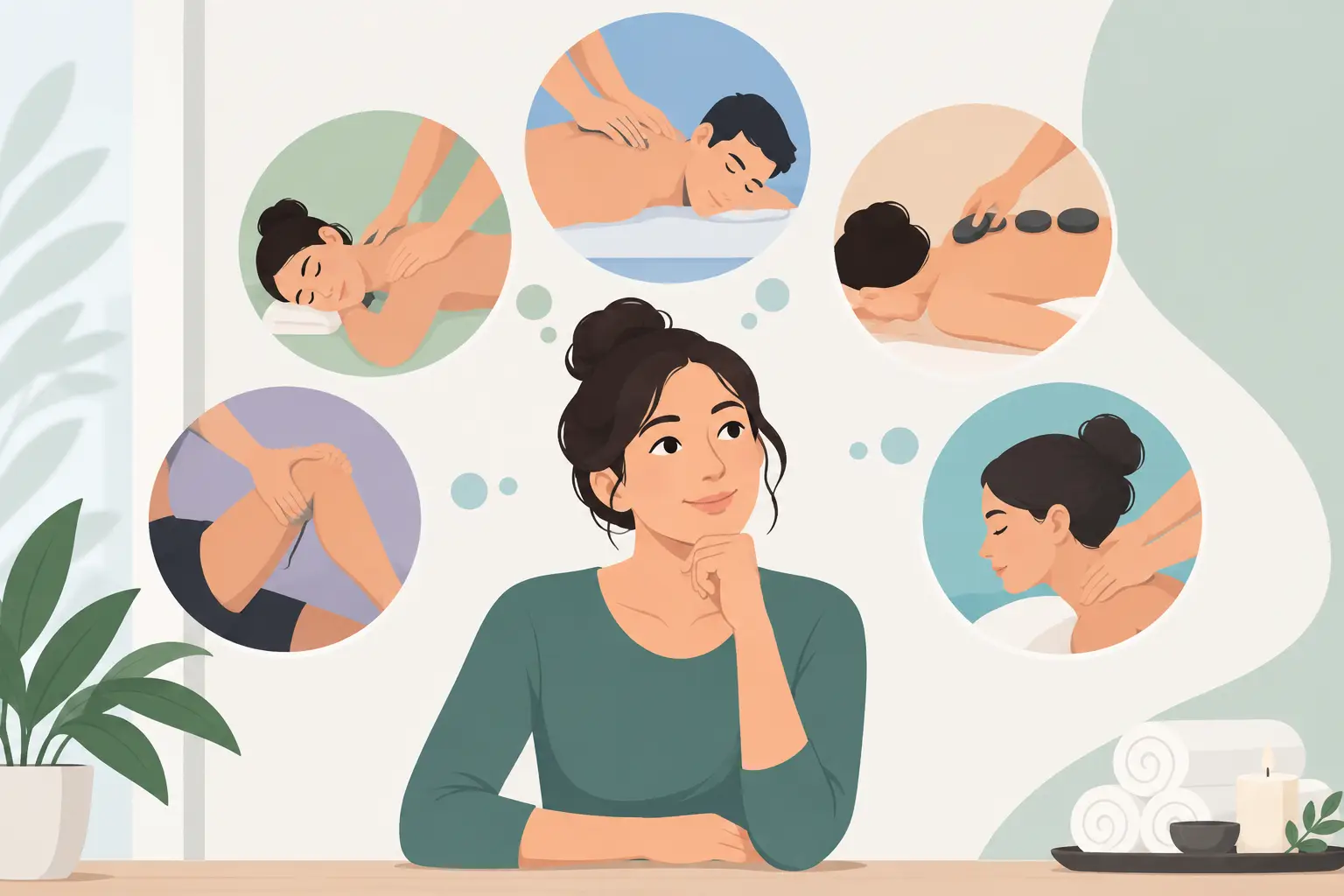
A massage should never feel like a service chosen at random from a spa menu. The right treatment can quiet the tension held in your shoulders after a demanding week, restore ease to tired legs before an event, or create a deeply restorative pause in an overbooked schedule. Knowing how to choose massage treatment begins with one question: what would you like your body to feel like when you leave?
For some guests, that means lighter, looser, and ready to move. For others, it means deeply relaxed, rested, and mentally clear. The most refined massage experience is personalized around that distinction, with expert care, thoughtful pressure, and a setting where you can fully switch off.
Start With Your Primary Goal
Massage styles overlap, but they are not interchangeable. Choosing based on a treatment name alone can lead to a session that is pleasant but not especially useful for what your body needs. Start by identifying your main priority.
If stress has become physical – a clenched jaw, elevated shoulders, shallow breathing, or difficulty relaxing – a Swedish or relaxation massage is often an elegant choice. Its long, flowing movements are designed to settle the nervous system while easing general muscle tension. This is ideal when you want to leave feeling calm rather than intensely worked.
If you have a specific area that feels stiff or restricted, such as the neck, upper back, hips, or calves, deep tissue massage may be more appropriate. This approach uses slower, more focused techniques to address persistent tightness in deeper muscle layers. It can be highly effective, but it should not be confused with a test of endurance. Productive pressure is precise and responsive, not painful for the sake of pain.
For guests who want both relaxation and targeted relief, a customized massage is often the most valuable option. Your therapist can spend more time where tension is concentrated while preserving the soothing rhythm that makes a premium wellness treatment feel restorative.
How to Choose Massage Treatment by Pressure
Pressure is one of the most personal elements of massage. Two people with similar lifestyles may have completely different preferences: one may find firm pressure grounding and satisfying, while another may tense up against it. Neither preference is more correct.
Light pressure is well suited to relaxation, first-time massages, periods of heightened stress, and anyone who simply prefers a gentler touch. It encourages circulation and can create a profound sense of comfort without leaving muscles tender afterward.
Medium pressure is the versatile middle ground. It can ease everyday muscle tightness while still feeling calming, making it a strong choice for regular maintenance. Many guests who work at a desk, travel frequently, exercise moderately, or carry stress through the shoulders find this level particularly effective.
Firm pressure can be appropriate for dense muscle tension, athletic recovery, or areas that have felt tight for some time. However, firmer does not automatically mean better. If you are holding your breath, bracing your muscles, or experiencing sharp discomfort, the pressure is likely too intense. A skilled therapist will adjust technique, pace, and pressure in real time to keep the treatment effective and comfortable.
It is also worth considering what follows your appointment. A deeply focused treatment may leave you pleasantly tender for a day, especially if your muscles are very tight. If you have a major occasion, long flight, or demanding workday immediately afterward, a gentler or medium-pressure massage may be the more polished choice.
Consider Your Lifestyle, Not Just Your Symptoms
Your body carries the imprint of your routine. The treatment that suits a runner training for a race may not be the treatment that best serves someone preparing for a wedding weekend, recovering from a hectic travel schedule, or spending long hours at a laptop.
For desk tension and long workdays
Neck stiffness, shoulder knots, headaches linked to tension, and lower-back fatigue often call for focused work through the upper body, arms, scalp, and hips. Ask for a treatment that combines relaxation with attention to the areas affected by posture. A full-body massage can be beneficial, but a therapist may need additional time on the upper back and shoulders to create noticeable relief.
For exercise and active recovery
If you train regularly, communicate the type of activity you do and when you last exercised. Muscles stressed by strength training, running, tennis, or cycling can benefit from firmer, more targeted techniques, but timing matters. An intensive session immediately before a major performance may not be ideal. In that case, a lighter treatment focused on mobility and circulation may feel better.
For stress, poor sleep, and mental overload
When your mind is racing as much as your body is tight, choose an experience that favors slower pacing, calming touch, and an unhurried atmosphere. You do not need visible knots to benefit from massage. Relaxation therapy can help create the conditions for better rest, clearer thinking, and a more composed return to your day.
For special occasions and beauty preparation
Massage can be a beautiful part of pre-event self-care, especially before a wedding, holiday, or important social occasion. The goal is usually to look and feel refreshed, not to work through every point of tension. Schedule a restorative treatment a few days before the event if you are trying a new style or deeper pressure for the first time. This gives your body time to respond without any surprise tenderness.
Be Clear About Your Health History
A luxury treatment should feel safe as well as indulgent. Before your massage begins, share relevant information with your therapist, even if it seems minor. Recent injuries, surgery, pregnancy, circulation concerns, varicose veins, skin sensitivity, chronic pain, allergies, and medications can all influence the best approach.
Massage is not a substitute for medical assessment. If you have sudden pain, unexplained swelling, numbness, fever, a suspected blood clot, or a recent serious injury, seek guidance from a qualified medical professional before booking. The same applies if you are managing a health condition and are uncertain whether massage is appropriate.
For pregnancy, prenatal massage may be a wonderful option when offered by a properly trained therapist and approved by your healthcare provider where needed. Positioning, pressure, and the areas treated should be adapted for comfort and safety.
Honest communication is not an inconvenience. It allows your therapist to deliver more informed, attentive care and helps protect the quality of your experience.
Choose the Right Length of Appointment
Time changes what is possible in a massage. A 30-minute appointment can be excellent for one focused concern, such as the back, neck, and shoulders. It is efficient when you need a reset between commitments, but it may feel rushed if you want full-body relaxation.
A 60-minute massage is often the best balance for a complete experience. It gives your therapist enough time to address key tension points while allowing your body to settle into the treatment. For many guests, it is the ideal choice for regular wellness maintenance.
A 90-minute session offers a more spacious level of care. It is particularly worthwhile if you have several areas of concern, prefer a slower rhythm, or want the treatment to feel like a genuine escape rather than another item on the calendar. The longer format gives focused techniques room to work without sacrificing the relaxed, polished finish of a full-body massage.
Know What a High-Quality Massage Experience Includes
The setting matters, but expertise matters more. Look for a therapist who begins with a consultation rather than immediately starting the service. They should ask about your goals, pressure preference, relevant health information, and areas to avoid or prioritize.
During the treatment, you should feel comfortable speaking up. Request more or less pressure, mention a sensitive area, or ask for extra attention where you need it. World-class service is responsive, never rigid. The most skilled therapists read the body carefully, but clear feedback helps them refine every choice.
Hygiene and professionalism also shape the experience. Fresh linens, a serene and immaculate treatment environment, respectful draping, and premium massage products are not small details. They create the confidence that allows you to relax fully.
Make Massage Part of Your Personal Care Rhythm
One massage can create immediate relief, but regular appointments are often more effective for managing recurring tension. The ideal frequency depends on your routine, stress level, training schedule, and budget. Some guests enjoy a monthly full-body treatment as a refined self-care ritual; others book focused sessions during periods of travel, intense work, or increased activity.
At Rodeo Drive Beauty, the most considered approach is never about choosing the most intense treatment on the menu. It is about choosing the one that meets you where you are, then leaving with your body softer, your posture easier, and your sense of well-being noticeably restored.
Before your next appointment, take a quiet moment to name what you need most: relief, recovery, relaxation, or simply time that belongs entirely to you. That answer is usually the clearest guide to the massage your body will appreciate.