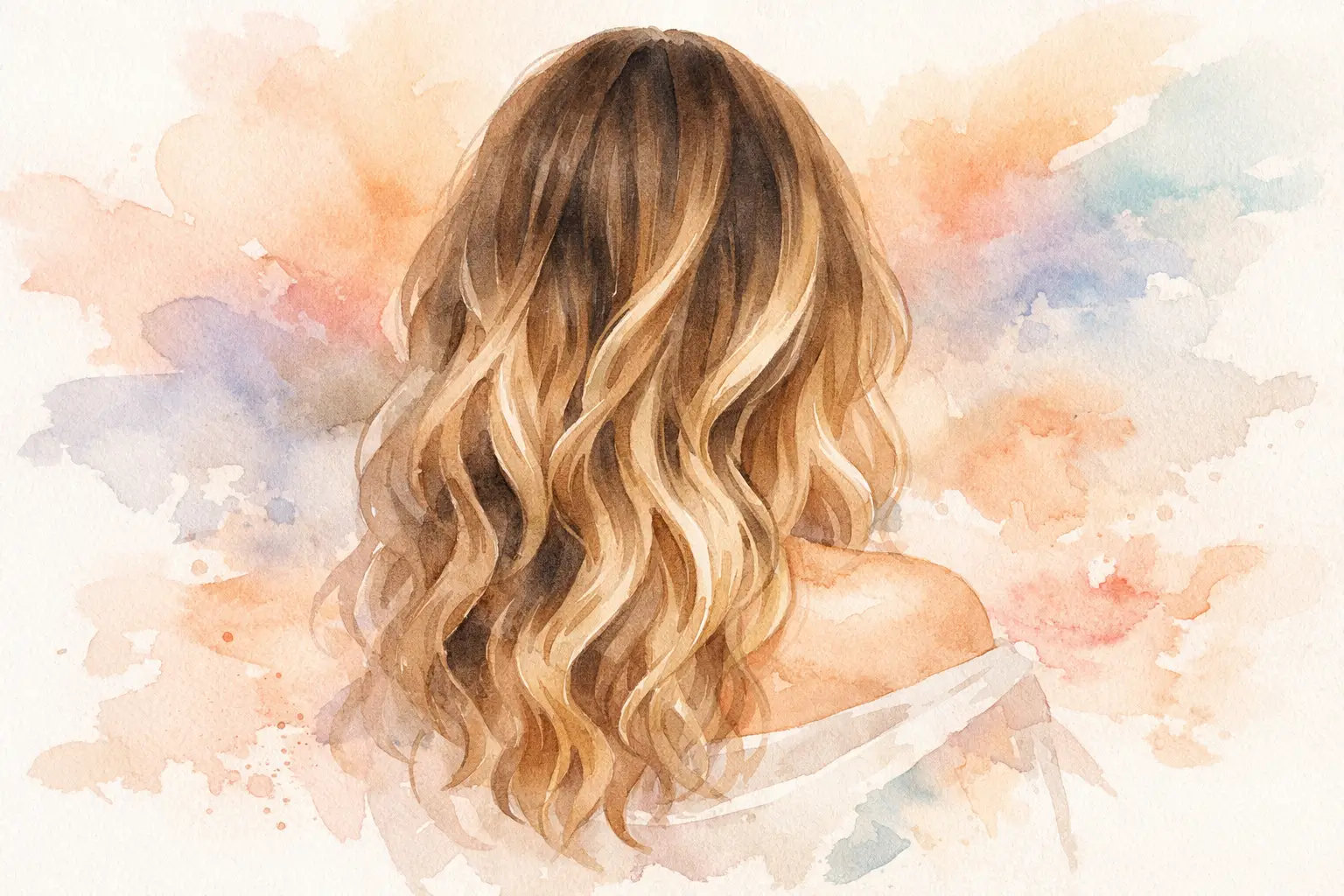
You loved your balayage the day you left the salon. Six weeks later, the question starts to creep in when you catch your hair in daylight or under restaurant lighting – how often should you get balayage to keep it looking refined, fresh, and expensive rather than faded or grown out in the wrong way?
The short answer is every 8 to 16 weeks for most people. But balayage is not a one-schedule service. The right timing depends on how bright you went, how quickly your hair grows, whether you wear your hair smooth or textured, and how polished you want the finish to look between appointments. A soft, lived-in balayage can stay beautiful far longer than traditional highlights, but that does not mean it is maintenance-free.
How often should you get balayage for the best results?
If you prefer your color to look consistently luminous and salon-fresh, booking every 8 to 12 weeks is usually the sweet spot. This timing keeps brightness balanced, prevents brassiness from settling in too deeply, and allows your colorist to refine the placement before the look starts feeling heavy or uneven.
If you intentionally want a lower-maintenance finish, you may stretch balayage appointments to 12 to 16 weeks. That can work beautifully when the initial application was tailored well and the transition from your natural base to lighter pieces is soft. Balayage is designed to grow out elegantly, which is exactly why many clients choose it over more structured highlighting techniques.
There is, however, a difference between lived-in and neglected. Once the tone becomes dull, the ends feel overly dry, or the contrast between the root and lighter sections loses harmony, it is time for a refresh.
Why balayage schedules vary from person to person
Balayage is customized by design, so the upkeep schedule should be too. Someone with fine, naturally dark hair and a bright blonde balayage will not follow the same cadence as someone with medium brown hair and only a few caramel ribbons through the lengths.
Hair growth plays a role, but tone matters just as much. Warmer shades often stay looking softer for longer, while cooler blondes tend to reveal brassiness sooner and may need more frequent glossing. Texture also changes the visual effect. On curly or wavy hair, dimension can remain forgiving for longer because movement disguises grow-out. On sleek, straight hair, every shift in tone and placement is more visible.
Lifestyle matters too. If you swim regularly, spend a lot of time in the sun, use hot tools often, or wash your hair frequently, your balayage may need attention sooner. Premium color can still fade under daily stress.
The difference between a full balayage and a refresh
One reason balayage feels more luxurious than high-maintenance is that not every visit needs to be a full color appointment. In many cases, your colorist does not need to repaint your entire head each time. A refresh might include a gloss, a few face-framing pieces, toner, or strategic brightening through the top layers.
A full balayage is usually needed when the original lightness has dropped too low, the shape of the color has grown out significantly, or you want a more noticeable change. That may be every 4 to 6 months for some clients, sometimes longer if the original result was very soft.
In between, many people benefit from a lighter maintenance appointment every 6 to 10 weeks. This keeps the look polished without over-processing the hair. It is also the smarter way to protect shine, softness, and overall hair quality.
Signs you need a balayage touch-up sooner
If your balayage starts pulling orange, looking flat, or losing brightness around the face, waiting longer rarely improves the result. The same is true if your ends appear porous or the contrast no longer looks intentional.
You may also want an earlier appointment if you have an event coming up. Balayage photographs beautifully when it is freshly toned and properly placed. For weddings, travel, celebrations, and professional shoots, timing matters.
Signs you can wait a little longer
If the blend still looks smooth, your tone remains flattering, and the lighter pieces still catch the light in a refined way, you likely have room to wait. Many clients are surprised by how elegant balayage can look even months after the initial service when it has been done with precision.
That said, waiting should be a choice, not an accident. Beautiful grow-out happens when the original work was thoughtfully designed around your natural depth, haircut, and lifestyle.
How often should you get balayage if you are blonde, brunette, or going brighter?
Blonde balayage usually needs the most attention. Not always more lightening, but more tone maintenance. Most blondes benefit from a toner or gloss every 6 to 8 weeks and a balayage refresh every 8 to 12 weeks, depending on the desired brightness.
Brunette balayage tends to be more forgiving. Caramel, honey, and mocha tones often age gracefully, especially if the contrast is soft. In many cases, a brunette balayage can go 10 to 16 weeks before needing painted pieces again, with glossing in between if needed.
If you are trying to get significantly lighter over time, your schedule may be more frequent at first. Controlled, expert-led brightening usually happens in stages to preserve the integrity of the hair. In that case, appointments may be closer together until you reach your ideal tone.
Maintenance between appointments matters more than most people think
A beautifully executed balayage can last, but home care determines whether it lasts well. Sulfate-free products, heat protection, hydration, and the right shampoo for color-treated hair make a visible difference. If your hair feels dry, rough, or overly warm between salon visits, it is often a maintenance issue before it is a scheduling issue.
Gloss treatments are especially valuable. They revive tone, enhance shine, and give balayage that expensive finish without a full lightening service. For many clients, a gloss appointment is what keeps balayage looking luxurious rather than simply grown out.
Hydration matters too. Lightened hair reflects light best when it is healthy. Masks, bond-building treatments, and professional-quality conditioners help maintain that soft, polished surface that makes dimensional color look elevated.
What to ask your colorist about your balayage timeline
The best balayage schedule is not guessed after the fact. It should be part of the consultation. Ask your colorist whether your look is designed to be low-maintenance, how often they recommend glossing, and when they expect you will need a partial versus a full refresh.
This is where expert care changes the experience. A well-trained colorist does not just create a beautiful result for today. They map out how that result will evolve over the next few months, how to maintain it properly, and when to return before the color loses its balance.
At a premium salon, that level of planning is part of the service. You are not simply paying for lightener and toner. You are investing in placement, hair integrity, product quality, and a schedule that protects the finish.
The real answer to how often should you get balayage
Most clients should plan on balayage every 8 to 16 weeks, with glosses or minor maintenance in between. If you like a brighter, fresher, more camera-ready look, lean toward the shorter end. If you prefer something softer and more lived-in, you can comfortably stretch it longer as long as the tone and condition still look intentional.
The most flattering balayage is never just about how many weeks have passed. It is about whether your color still looks luminous, your hair still feels healthy, and the overall result still reflects the level of polish you want to present.
If you are unsure whether it is time, trust what you see in natural light. When balayage is at its best, it looks effortless. When it is overdue, it starts asking for attention in all the wrong ways.