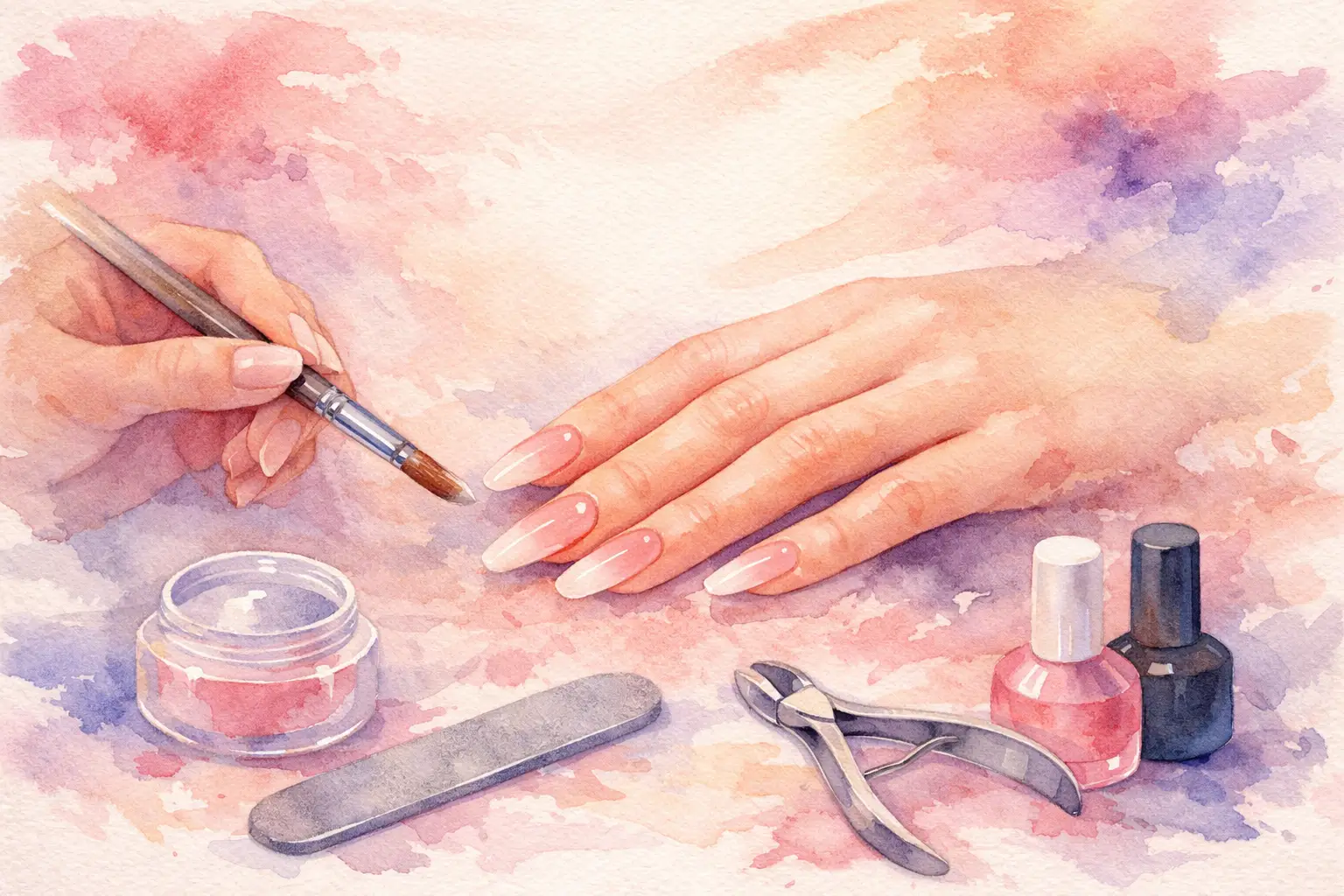
Fresh extensions look immaculate on day one, but the real luxury is how they wear in week two and week three. A proper guide to nail extension maintenance is not just about keeping your manicure pretty. It is about protecting the health of your natural nails, preserving shape and shine, and making sure your investment continues to look polished between appointments.
Well-maintained extensions should feel elegant, comfortable, and dependable. They should not snag in your hair, lift at the edges, or make everyday tasks feel awkward. When maintenance is handled correctly, nail extensions become part of a refined beauty routine rather than a high-maintenance one.
Why nail extension maintenance matters
Extensions are durable, but they are not indestructible. Natural nails continue to grow underneath them, which gradually changes balance, structure, and stress points. That is why even a flawless set can start to feel less secure over time.
This is where a guide to nail extension maintenance becomes useful. Maintenance is not only about aesthetics. It helps prevent lifting, cracking, trapped moisture, and unnecessary pressure on the natural nail. Small issues, when ignored, tend to become expensive or uncomfortable ones.
The exact care your nails need depends on the extension system, your lifestyle, and the length you wear. Someone with short, natural-looking builder gel extensions will usually have a different maintenance rhythm than someone wearing long sculpted acrylics. The common thread is consistency.
What to do in the first 48 hours
The first two days set the tone for how well your extensions hold up. Treat them with a little extra care while you adjust to the length and shape. If you are used to natural nails, even opening a car door or typing can put pressure on unfamiliar angles.
Use the pads of your fingers instead of the tips of your nails whenever possible. This matters most when opening cans, unfastening jewelry, buttoning jeans, or reaching into a handbag. The goal is simple – let your hands do the work, not the extensions.
This is also the time to be honest about shape and length. If your nails feel impractical for your daily routine, ask for an adjustment early. A slightly shorter almond or soft square shape often wears more gracefully than an ultra-long set if you are constantly working on a keyboard, handling children, or doing frequent household tasks.
Daily habits that keep extensions flawless
The best maintenance routine is rarely dramatic. It is usually a few smart habits repeated every day.
Cuticle oil makes one of the biggest differences. Applied once or twice daily, it helps keep the surrounding skin soft and supports flexibility in the enhancement area. Nails that stay hydrated tend to look more expensive and are less likely to appear dry or neglected. If your hands are frequently washed or exposed to air conditioning, this step matters even more.
Hand cream is equally important, but placement matters. Massage it into the hands and around the cuticles rather than loading thick product under the free edge. You want nourishment, not buildup.
Gloves are not glamorous, but they are a quiet essential. Cleaning products, hot water, and prolonged soaking can shorten the life of extensions. If you regularly wash dishes, clean bathrooms, or work with chemicals, gloves are part of proper maintenance, not overcaution.
Be mindful with beauty products too. Hair can catch under lifted corners, and self-tanner, heavy oils, or pigmented makeup can stain lighter shades. Dark clothing dye, strong exfoliants, and even some sunscreens can dull the finish over time. Premium nails still need practical care.
How often should you book fills?
Most clients do best with maintenance appointments every two to three weeks. That window can shift slightly based on how quickly your natural nails grow, the type of extension, and how hard you are on your hands.
If you wait too long, the structure moves out of balance. The apex, which helps support the nail, grows farther away from where it is needed. That makes breakage more likely, especially if the nails are longer. Even if they still look decent from a distance, overdue extensions often feel heavier and less stable.
A fill appointment is not just a cosmetic refresh. It allows your nail technician to rebalance the shape, check for lifting, refine the finish, and keep the set looking intentional. For clients who prefer consistently polished hands, regular fills are the difference between maintained elegance and nails that look worn out before their time.
Signs your extensions need attention
You do not need to wait for a full break to know something is off. The earlier you address issues, the better the outcome.
Lifting near the cuticle or sidewalls is one of the clearest signs. Even minor lifting should be taken seriously because moisture and debris can become trapped underneath. That can affect both appearance and nail health.
A change in shape is another clue. If the extension starts leaning, looking uneven, or feeling tip-heavy, it usually means growth has shifted the balance. Small cracks, dull patches that do not buff away, or repeated snagging are also signs that it is time for professional maintenance.
Pain is never part of normal wear. If an extension feels tight, sore, or tender after impact, do not ignore it. A small injury beneath an intact-looking nail can worsen if left unattended.
What not to do between appointments
One of the fastest ways to shorten the life of a beautiful set is to treat extensions like tools. Opening packaging, scraping labels, picking at product seals, or tapping hard surfaces aggressively can all create stress fractures.
Resist the temptation to glue down lifting at home. It may look like a quick fix, but it often traps issues underneath and makes professional removal more difficult later. The same goes for filing aggressively without understanding structure. A little shaping is one thing, but over-filing the sides or surface can weaken the entire nail.
Picking is another common mistake. Once clients start peeling gel polish or lifting product, the natural nail often pays the price. Extensions should be removed or repaired professionally, especially if you want to preserve strength underneath.
How maintenance changes by nail type
Not all extensions behave the same way. Acrylic tends to offer strong durability and structure, which many clients love for longer shapes or high-impact wear. It can, however, feel firmer and less flexible than some gel systems.
Hard gel and builder gel often create a more glossy, lightweight feel with a refined finish. They wear beautifully, but they still require timely fills and proper aftercare. Soft gel tips can be convenient and elegant, though they may suit some lifestyles better than others depending on wear habits.
This is why personalized guidance matters. The right maintenance plan should match your nail type, your schedule, and your expectations. An office professional, a bride heading into event season, and a client who travels constantly may all need a slightly different approach.
Keeping your natural nails healthy underneath
Excellent extensions should enhance your natural nails, not compromise them. That starts with expert application, but maintenance is what protects the result over time.
Avoid stretching appointments too far apart in the hope of getting a little more wear. Overgrown extensions place stress exactly where you do not want it. If one breaks, never rip off the rest. That usually removes surface layers of the natural nail and creates unnecessary damage.
If you decide to take a break from extensions, have them removed properly and transition with strengthening care. A short period with a tidy natural manicure, cuticle oil, and gentle shaping can help restore comfort and appearance without the rough, uneven phase many clients fear.
At a luxury salon, maintenance should feel precise and restorative, not rushed. The standard should be expert shaping, meticulous hygiene, premium products, and thoughtful advice tailored to how you actually live.
A refined routine is what makes extensions last
The most beautiful nail extensions are not always the longest or boldest. They are the ones that still look polished after meetings, dinners, travel, and daily life. That comes down to routine more than luck.
If you moisturize consistently, protect your hands during chores, and book fills before problems start, your extensions will reward you with longer-lasting shine, cleaner growth, and a more flawless finish. And if something feels off, early expert care is always more elegant than a dramatic repair later.
Well-kept nails have a quiet kind of power. They make every gesture feel more put together, and that is exactly why maintenance deserves the same attention as the original set.