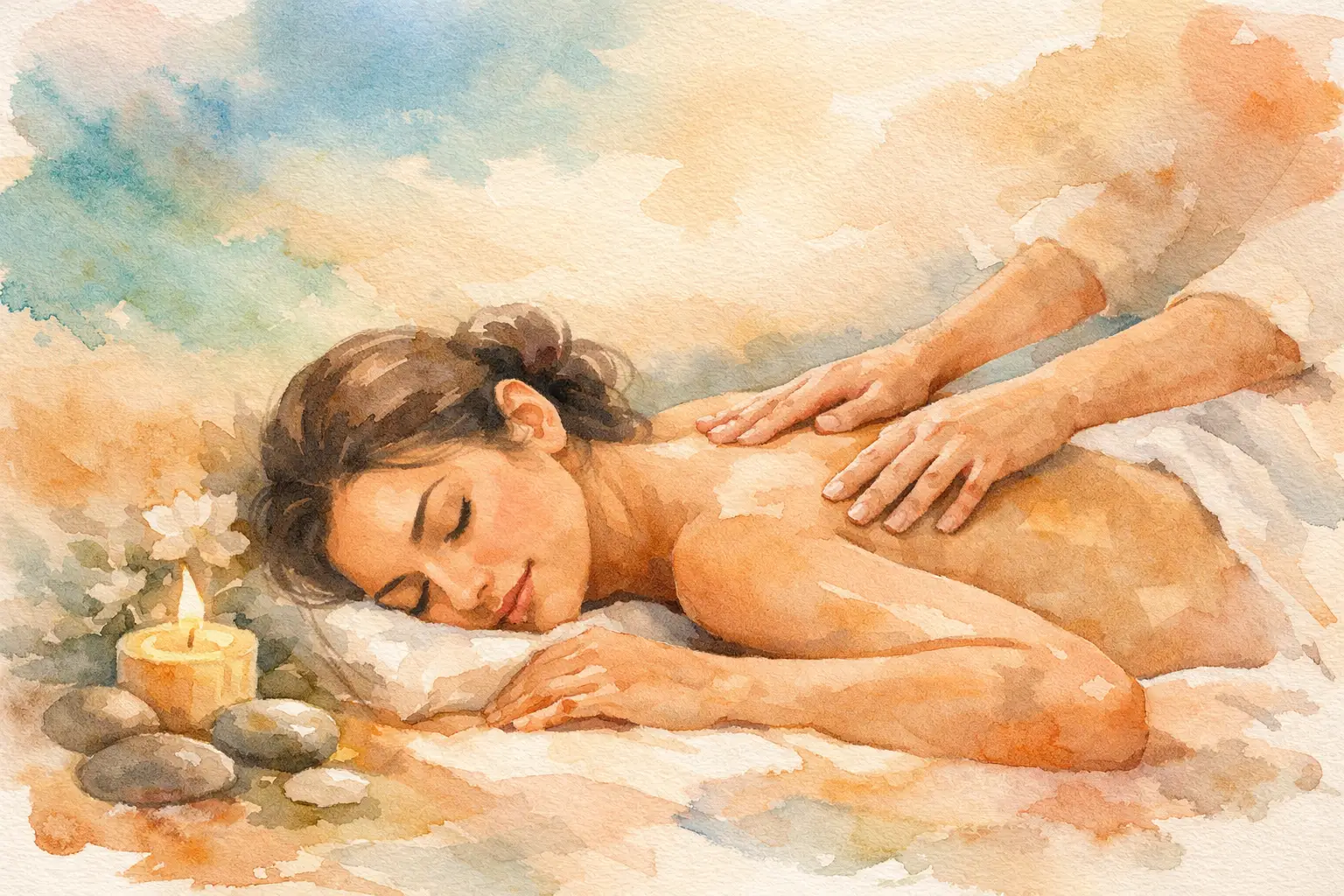
Some stress announces itself loudly – tight shoulders, shallow breathing, a jaw that never quite unclenches. Other stress is more subtle. You sleep, but do not feel rested. Your mind keeps moving long after the day is over. That is where relaxation massage for stress can make a visible difference, not as an indulgence, but as a refined form of care for a body that has been carrying too much for too long.
A well-executed massage does more than feel pleasant in the moment. It changes the pace of the nervous system, encourages the muscles to release unnecessary holding patterns, and gives the body a rare signal that it is safe to soften. When the treatment is personalized and delivered with expert technique, the result is not simply temporary comfort. It is a more grounded, clear, and composed version of yourself.
What relaxation massage for stress actually does
Stress is not only mental. It is physical, cumulative, and often stored in predictable places – the neck, shoulders, upper back, scalp, lower back, hands, and even the hips. Over time, this tension can affect posture, breathing, concentration, mood, and sleep quality.
Relaxation massage is designed to interrupt that cycle. Unlike a highly intensive deep tissue session, this approach uses flowing movements, controlled pressure, and a calming rhythm to settle the body rather than challenge it. That distinction matters. If your system is already overstimulated, aggressive pressure is not always the best answer. Sometimes the most effective treatment is the one that lowers the volume first.
The body tends to respond quickly to this style of touch. Muscles begin to loosen, circulation improves, and the mind often follows the body into a quieter state. Many clients notice that their breathing deepens within the first several minutes. Others realize only afterward how much tension they had normalized.
Why stress relief is not one-size-fits-all
Luxury service should never feel generic, and neither should massage. Stress presents differently from one person to the next. A client who spends long hours at a desk may carry chronic tightness through the neck and shoulders. Someone balancing travel, events, and constant social engagement may feel mentally drained, restless, and physically fatigued all at once. Another may simply need an hour without noise, screens, or decision-making.
That is why the best relaxation massage for stress is tailored, not scripted. Pressure, pacing, focus areas, room ambiance, and even the amount of conversation during the service can all shape the outcome. For one person, a lighter, soothing approach creates the deepest release. For another, moderate pressure across the back, shoulders, and legs may be what helps the body finally let go.
There is also a practical point here. Stress is not always solved in a single appointment. One session can bring real relief, especially if you are feeling acutely tense, but recurring stress often benefits from regular care. Much like advanced skin treatments or precision hair maintenance, consistency tends to produce the most polished, lasting result.
The difference between relaxation massage and deep tissue
Clients often ask whether relaxation massage is “enough” if they feel very tense. The answer depends on the source of that tension.
If your discomfort is rooted in emotional stress, overstimulation, poor sleep, and general muscular tightness, relaxation massage is often exactly the right choice. It helps the body shift out of a guarded state without creating more intensity. That can be especially valuable if you already feel drained, anxious, or mentally overloaded.
Deep tissue has its place, particularly for stubborn knots, athletic recovery, or long-standing muscular restriction. But it is more corrective than calming. Some people leave a deep tissue massage feeling looser and better. Others, especially when already stressed, leave feeling as though their system has had to work even harder. Neither treatment is superior in every case. The better option is the one that suits your body on that day.
In a premium wellness setting, this is where professional guidance matters. An experienced therapist can adjust the treatment so it feels restorative rather than formulaic.
What to expect from a premium massage experience
The quality of the environment shapes the quality of the result. A relaxation massage cannot fully do its job if the setting feels rushed, noisy, or impersonal. Stress relief begins before the first touch.
A premium treatment experience is built around comfort, discretion, and detail. The room should feel quiet and immaculately prepared. The pace should never feel hurried. Hygiene, linens, oils, and therapist professionalism all contribute to whether the body can genuinely settle.
This is not about extravagance for its own sake. It is about creating the right conditions for the nervous system to shift. When every element feels refined and intentional, the treatment becomes more effective. The body relaxes faster when it senses care.
At a destination such as Rodeo Drive Beauty, that standard matters. Clients seeking high-level beauty and wellness services are rarely looking for a basic appointment squeezed into a busy day. They want expert care that respects both results and experience.
Signs you may need a relaxation massage for stress
Some people book massage only when the tension becomes impossible to ignore. A more polished approach is to notice the earlier signs.
You may benefit from massage if your shoulders stay lifted even when you are trying to relax, if headaches appear more often during demanding weeks, or if your sleep feels light and fragmented. It can also help if you feel mentally wired but physically tired, if you clench your jaw, or if your body feels stiff despite not doing intense physical activity.
Stress can also dull how you move through the day. You may feel less patient, less focused, or less comfortable in your own body. That does not always call for a dramatic intervention. Sometimes it calls for an hour of expert, intentional treatment that allows your system to reset.
How to get better results from your session
Massage works best when you arrive willing to let it work. That may sound obvious, but many people come into a treatment still mentally answering emails, planning errands, or bracing out of habit.
If possible, give yourself a small buffer before your appointment. Avoid rushing in at the last minute. Communicate clearly about pressure preferences, areas of tension, and whether you want a quiet session or a bit more guidance. During the massage, try not to “help” by holding your muscles in place. Let the table support you.
Afterward, keep the softness going. Hydrate, move gently, and avoid jumping straight back into a high-stimulation environment if you can. The post-treatment window matters. It is often where the deeper benefit settles in.
If stress is an ongoing part of your lifestyle, think of massage as maintenance rather than rescue. A regular appointment cadence can keep tension from accumulating to the point where it affects sleep, mood, and posture.
When massage helps most – and when to choose a different approach
Relaxation massage is highly effective for everyday stress, emotional fatigue, mild to moderate muscular tension, and general nervous system overload. It is also an excellent complement to beauty and grooming routines because it improves how you feel, not just how you look. That balance has value.
Still, there are moments when massage is not the complete answer. If pain is sharp, persistent, or linked to an injury, medical guidance comes first. If stress is significantly affecting your mental health, massage can be supportive, but it should not replace appropriate clinical care. The most refined wellness decisions are informed ones.
That said, many people wait too long to seek relief because they assume stress is simply part of modern life. It may be common, but that does not mean it should be ignored. There is a difference between functioning and feeling well.
Choosing relaxation massage is often less about escape and more about recalibration. It is a deliberate return to ease, clarity, and physical comfort, delivered through skilled hands and a setting that understands the value of expert care. When stress has been taking up too much space, that hour can feel like more than a treatment. It can feel like getting your own balance back.
Give your body that chance before tension starts to define the way you move through your days.